
What the field record documents
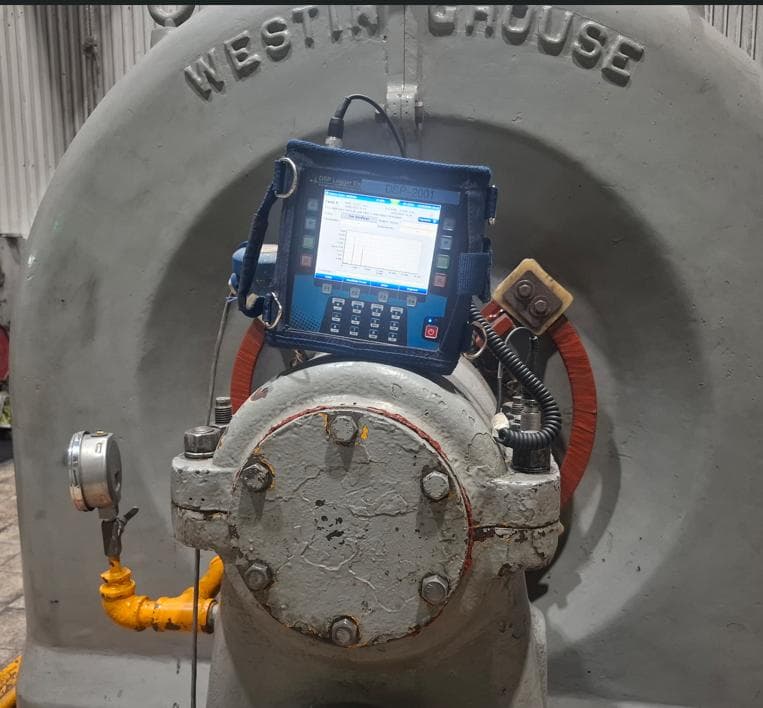
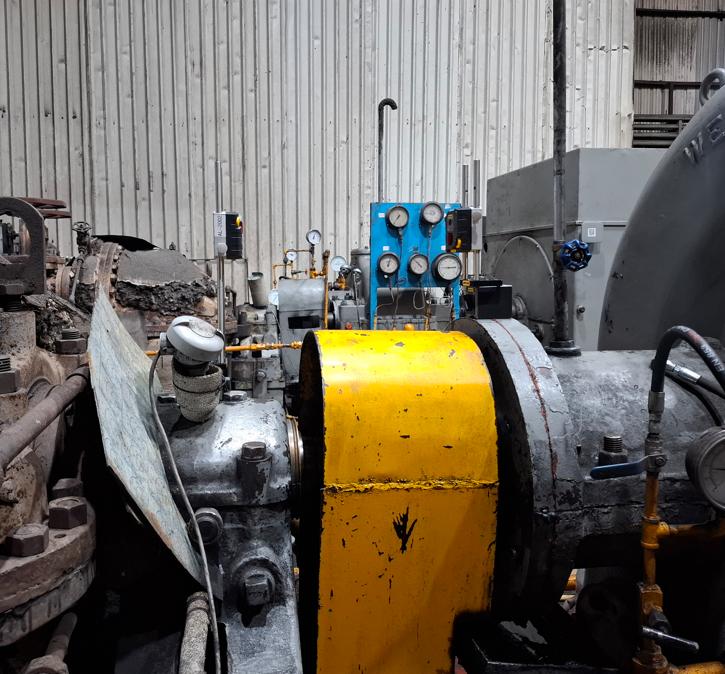
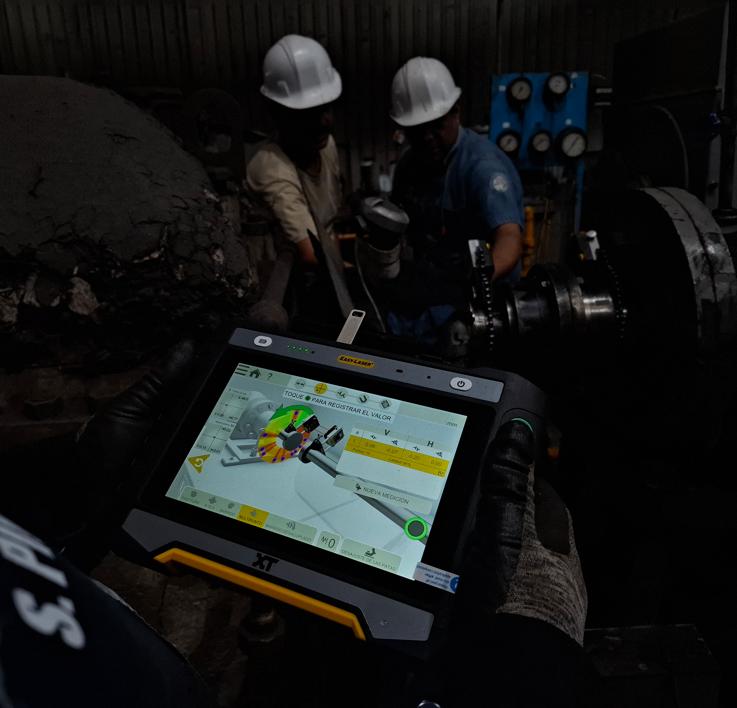
A 2026 assessment of a Westinghouse turbine-generator train recorded 0.309 in/s in the horizontal direction at the drive end. The report identified temperature-affected alignment as a probable explanation, considering the alignment test, a relative phase difference of 151° and displacement observed with EasyTrend.
Temperature-affected alignment is a probable cause in that report. It is not presented as a confirmed root cause or as corrected vibration. The cited values are measurements from that machine, not universal limits for other generators.
Put the vibration value in context
Direction, measurement location, unit and operating condition form part of the result. Comparing a number alone, without those references, loses information needed to review how the behavior changes.
Connect the measurements
The record compared vibration, relative phase, alignment and displacement. Together, they supported a hypothesis that required follow-up; vibration measurement alone was not presented as proof of the cause.
Document the next step
The report recommended monitoring operating parameters. A subsequent evaluation should preserve the link between the hypothesis, actions taken and verification measurements to determine whether the condition was corrected or further assessment is needed.
Information to assess your equipment
- OEM, model, RPM, rated power and coupled-train configuration.
- Available trends, spectra and reports, including locations, directions and units.
- Load, temperatures and operating stage when vibration changes.
- Alignment history, recent interventions and the available assessment window.
Start with the information you have. Documents and photographs are coordinated with the technical team during follow-up.