What the field record documents
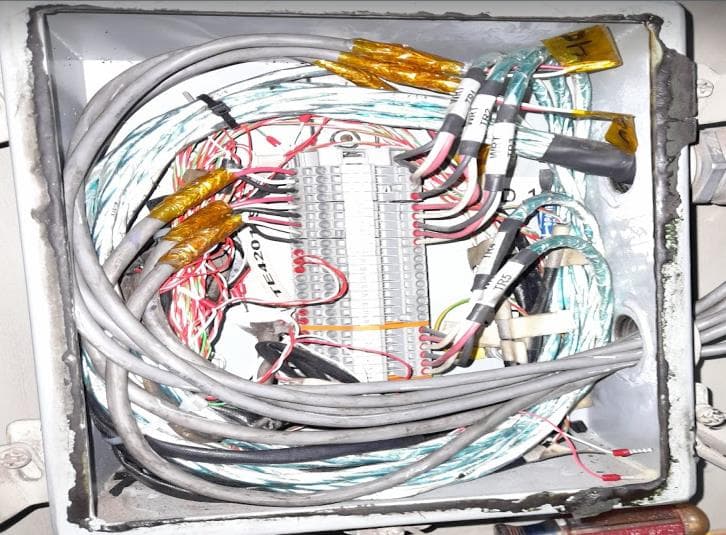
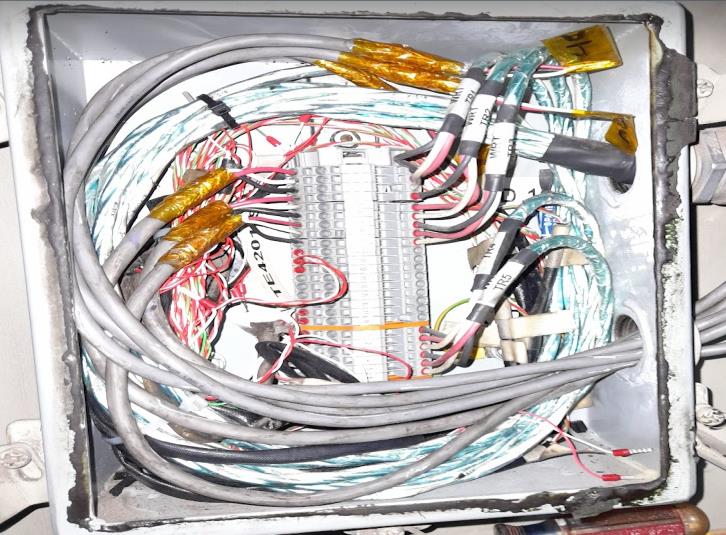
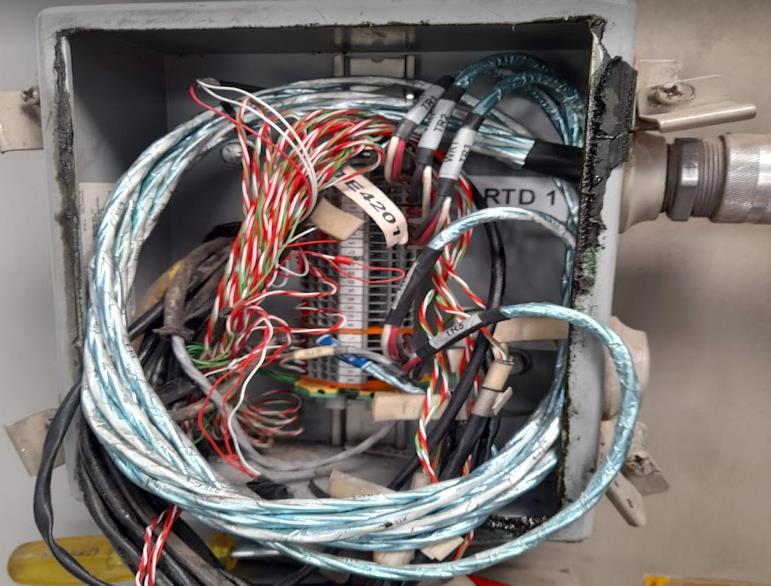
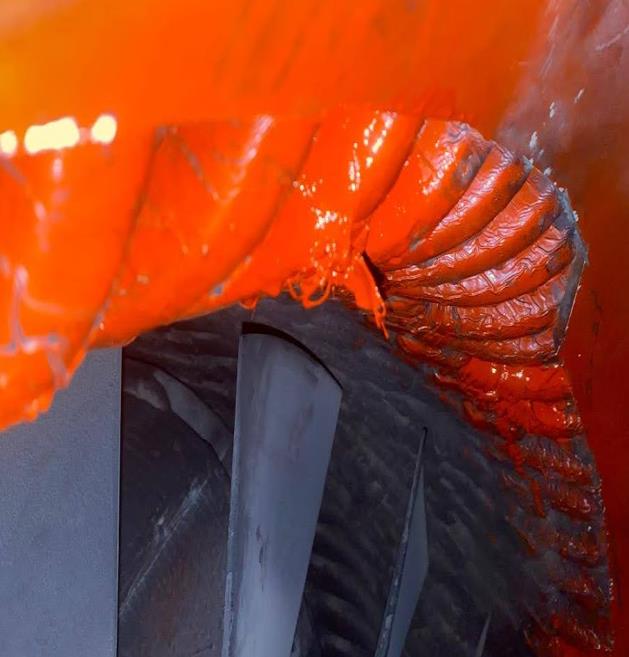
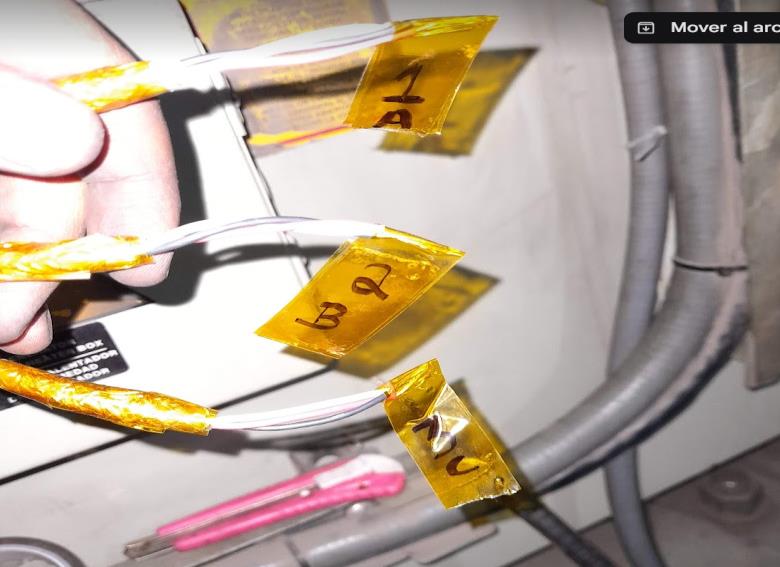
A 2024 service on a KATO generator documented temporary RTD sensors and recommended continuous monitoring, event recording and permanent installation during major maintenance. The report noted that the temporary sensor location could change readings relative to earlier records.
The record establishes the temporary intervention and its follow-up recommendation. It does not establish that the permanent installation has been completed or allow its results to be applied to another machine.
Keep the measurement context
To review an anomaly, gather the identity and location of each signal, trends before and after the intervention, and load and ventilation conditions. This record recommended reviewing trends because the sensor locations had changed.
Separate monitoring from the permanent correction
The service specified monitoring of the installed sensors and a later intervention to place them permanently. These are distinct commitments that should remain in the asset history and be reviewed when preparing the next outage.
Use the history to define the quotation
The technical review starts with the documented condition, available signals and winding access. The proposal should specify what will be assessed now and what requires a major-maintenance window, without presenting the temporary solution as final completion.
Information to assess your equipment
- Generator nameplate and asset tag; identification of the affected signals.
- Temperature and load trends, and the date when the behavior changed.
- Previous intervention report and documented sensor locations.
- Observed alarms and the next maintenance window.
Start with the information you have. Documents and photographs are coordinated with the technical team during follow-up.