What the field record documents
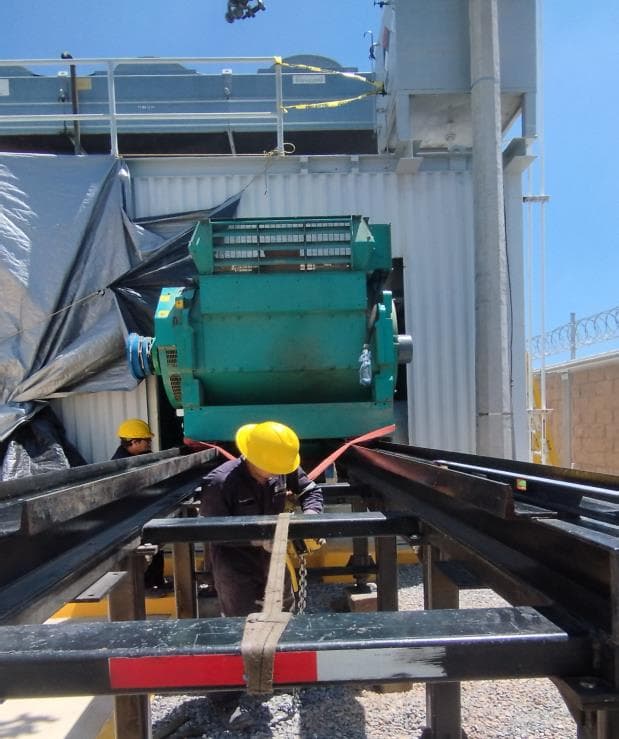
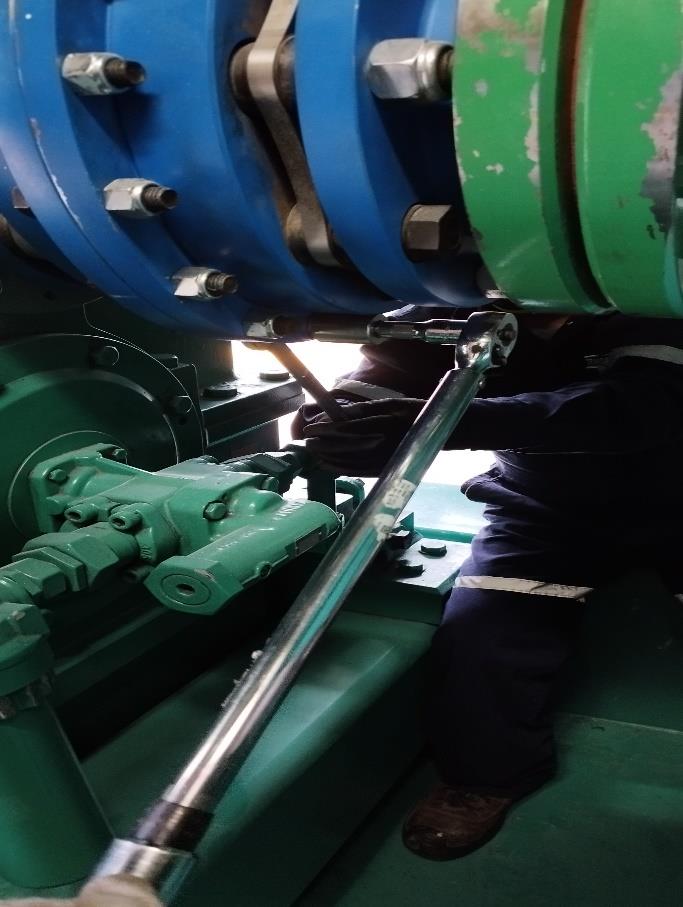
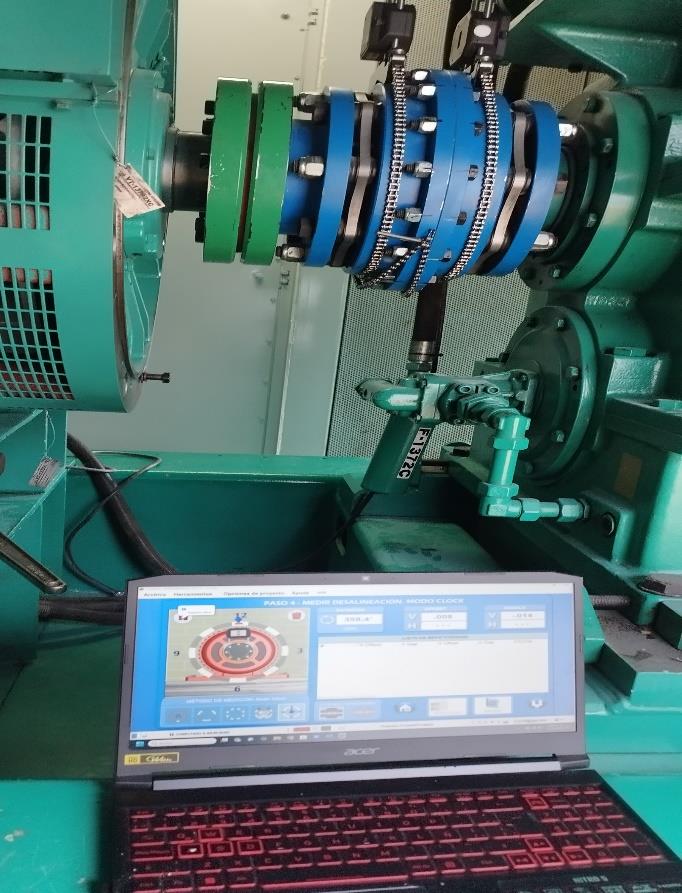
The 2023 report documents a survey of the original position, power and control disconnection, uncoupling, opening a section of the enclosure and lateral removal. It includes transport, reinstallation using a sliding base, assembly, connections, doors and machine-train alignment.
A fault in the transfer cabinet was reported during commissioning. The document calls for correction by an external company and a subsequent TEMISA visit. It does not establish final resolution of that incident.
Measure and disconnect before moving
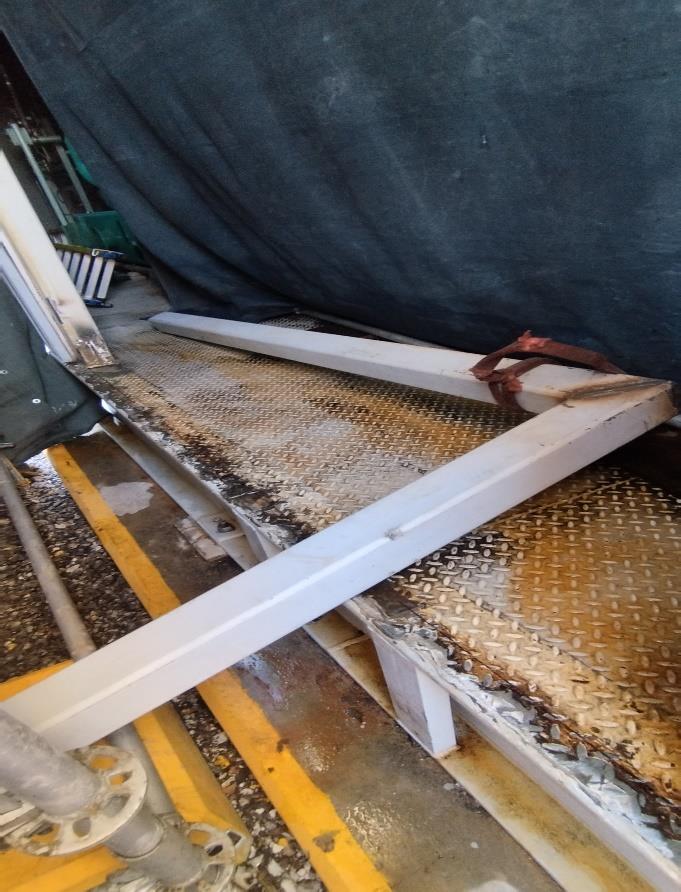
The record used the generator-foot positions as a reference and documented power and control disconnections. It also recorded the need to remove acoustic panels and open part of the wall to provide removal clearance.
Include return and reintegration
Removal was one part of the work. The described scope included return on a sliding base, coupling, electrical connections, alignment and door modifications. These elements help define resources, responsibilities and the outage window.
Separate mechanical completion from final startup
The report records static electrical tests and reintegration activities, but also an incident during the startup attempt. Cabinet correction and the later startup need their own completion records. A proposal should distinguish these milestones and responsibility for each.
Information to assess your equipment
- Generator nameplate, dimensions and documented weight.
- Drawings and photographs of the enclosure, access points and removal route.
- Lifting equipment, supports and disconnection responsibilities.
- Scope for return, alignment, testing and commissioning.
Start with the information you have. Documents and photographs are coordinated with the technical team during follow-up.