TECHNICAL GUIDE · TEMISA POWER GEN
Core testing, wedge mapping and video: what each test reveals
Robotic inspection combines different types of evidence. The core, wedges and visible surfaces answer different questions. Understanding those differences helps define the right scope and use the report for maintenance planning.
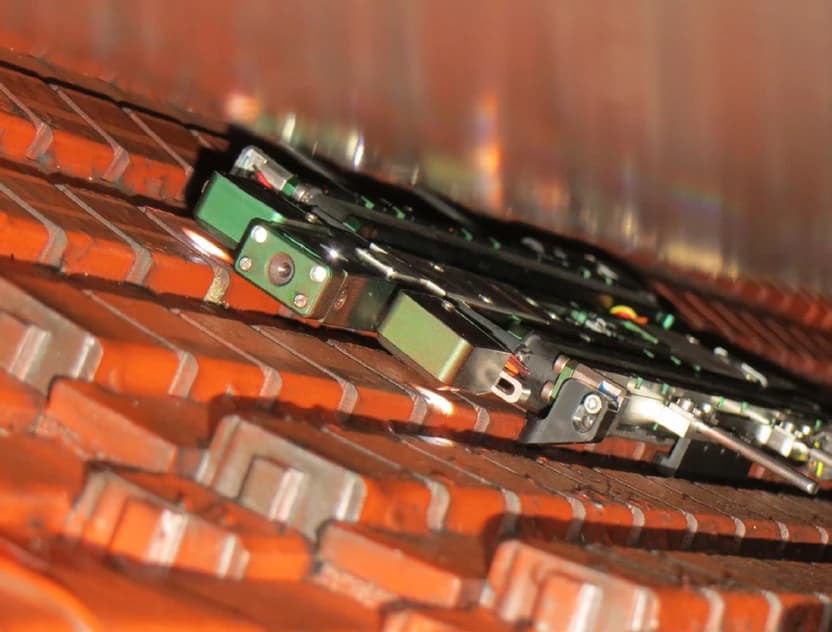
Low-flux testing: interlaminar insulation
The stator core consists of insulated laminations. LFCT / EL CID-equivalent testing identifies indications associated with deterioration of that insulation. Results locate signals by slot and axial position to support assessment.
A reading requires context: method, calibration, geometry and test conditions. A universal threshold should not be applied, and an indication should not automatically become a definitive damage diagnosis. Historical comparisons require technically comparable measurements.
Wedge testing: impact response
Tightness assessment applies an impact and analyses acoustic response. A map locates areas that require verification or attention.
The map is not a repair. Specialists interpret results in light of configuration and calibration. Any subsequent wedge work needs its own scope, access arrangements, materials and schedule.
Video: accessible surface evidence
Visual records support examination of wedges, core laminations, ventilation ducts and accessible rotor surfaces. They may reveal foreign objects, contamination, rubbing, visible movement or discoloration requiring investigation.
Visual evidence is not a temperature measurement or partial discharge test. It does not establish the condition of hidden areas. The report should identify the areas observed and limitations of the traverse.
From the report to a maintenance decision
A useful deliverable connects findings to location, evidence, coverage and limitations. Complementary tests are selected for the history and problem being investigated. Thermography, partial discharge, bump testing and retaining-ring examinations are not automatically part of the described robotic traverse.
Inspection supports follow-up and maintenance planning. It does not certify the absence of every fault or guarantee additional years of operation. TEMISA Power Gen coordinates the requested scope and review of results to define next steps with the customer.