
01
Stator core
Low-flux core testing (LFCT / EL CID equivalent) identifies indications associated with insulation between laminations. Findings are located by slot and axial position to support technical evaluation.
MEXICO · LATIN AMERICA PROJECTS
Understand stator condition before planning your next intervention. TEMISA Power Gen coordinates technical evaluation, scope and execution with specialist robotic inspection teams.
Rotor installed. Generator offline. Feasibility confirmed per machine.
CONDITION EVIDENCE FOR OUTAGE PLANNING
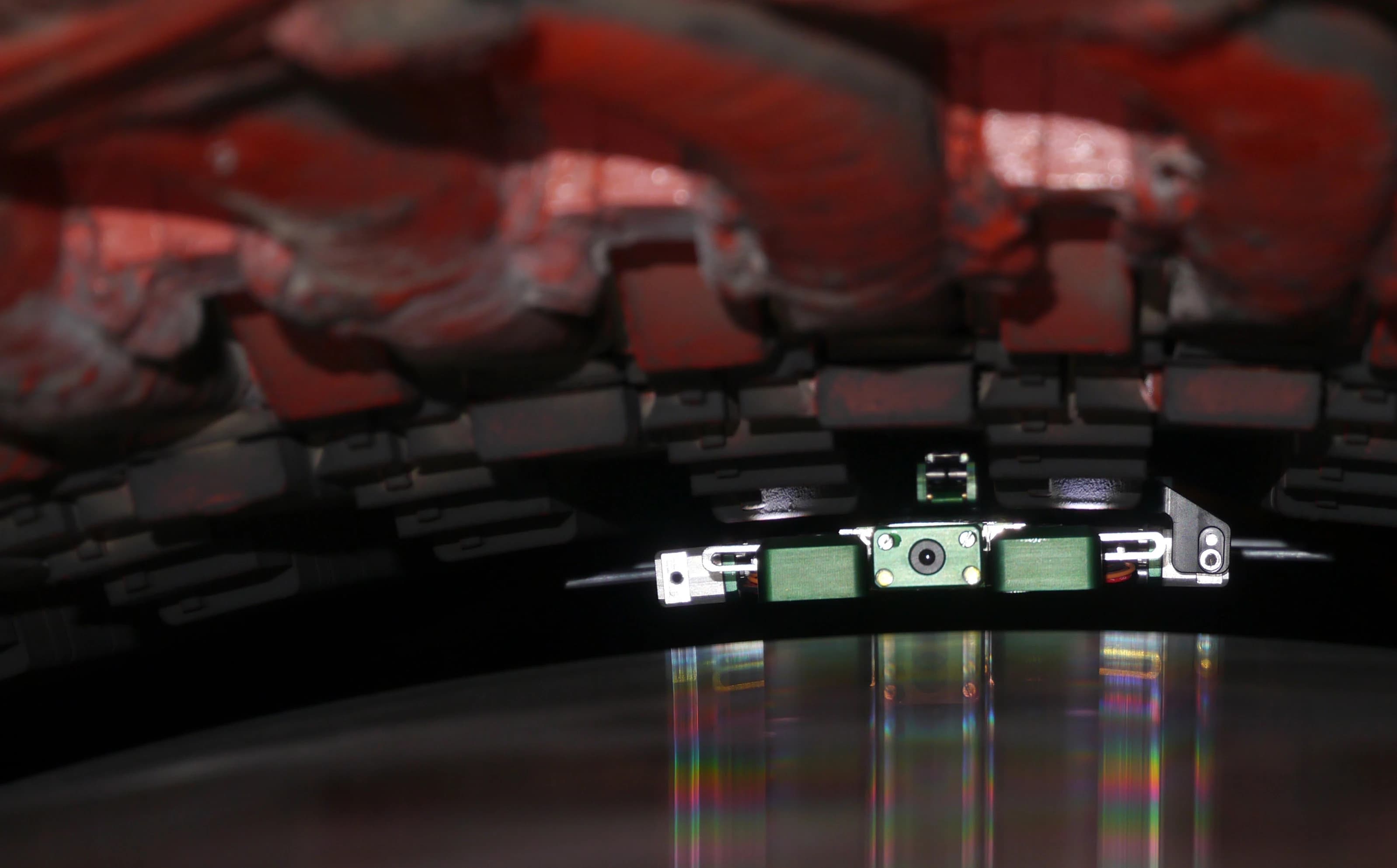
Robotic inspection travels through the generator air gap during an outage while the rotor remains installed. Depending on geometry and agreed scope, it assesses the stator core, wedge tightness and accessible internal surfaces. Mechanical access preparation and electrical isolation are required.
01
Low-flux core testing (LFCT / EL CID equivalent) identifies indications associated with insulation between laminations. Findings are located by slot and axial position to support technical evaluation.
02
Impact testing analyses the acoustic response of stator wedges. The resulting map identifies areas requiring evaluation and helps plan verification or corrective work.
03
Four cameras record accessible stator and rotor surfaces, wedges and ventilation ducts. The evidence supports review of contamination, foreign objects, rubbing marks and other visible anomalies.
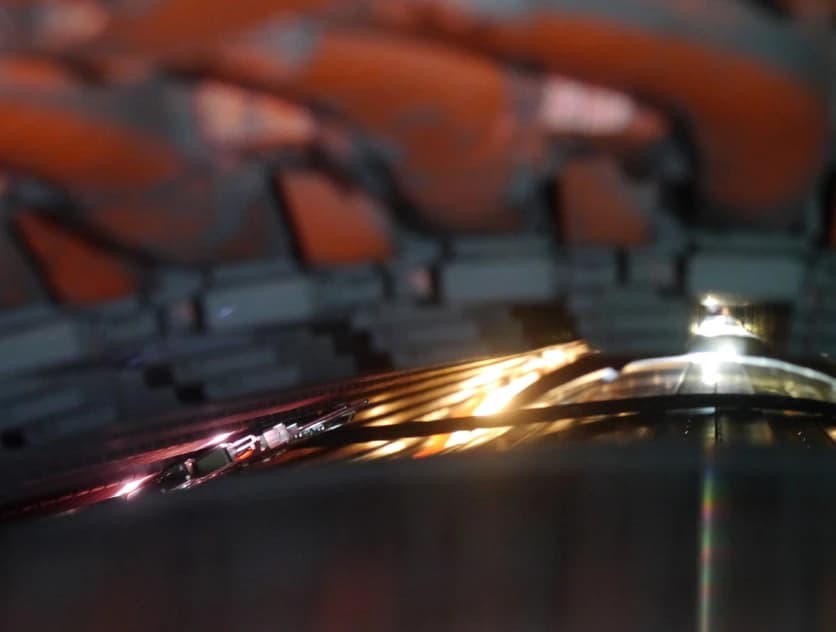
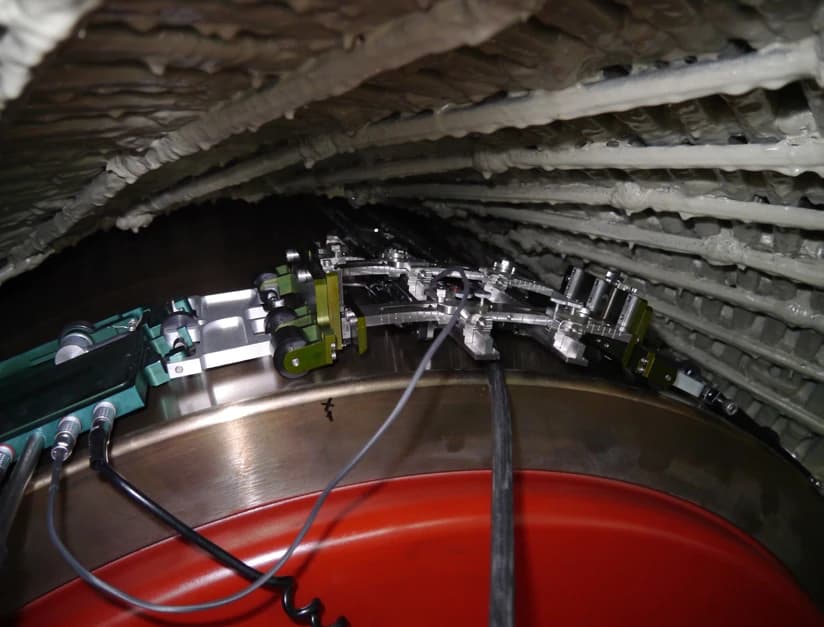
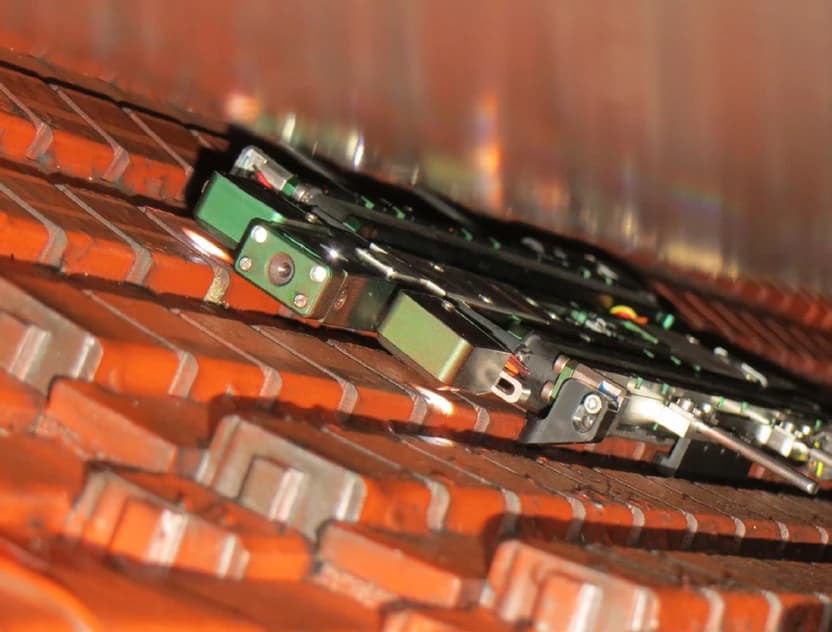
The gap between the retaining ring and stator core can restrict entry even when the main air gap is wider. Drawings, dimensions, geometry and obstructions are reviewed before the inspection is confirmed.
17 mm
Entrance reference for the proposed system. This dimension alone does not confirm feasibility.
Entrance gap = (stator core inside diameter − retaining ring outside diameter) / 2
TECHNICAL DELIVERABLES
Comparison with previous tests requires review of method, calibration, test conditions and measurement locations. Final deliverables and report timing are agreed in the proposal.
Share generator data and the reason for inspection. If drawings are missing, we identify the measurements needed.
Review access, applicable tests, preparation, specialist availability and responsibilities.
Release the equipment, verify site readiness and document the actual inspection coverage.
Review the evidence to determine further testing, monitoring or an intervention.
TEMISA Power Gen receives and coordinates robotic generator inspection enquiries in Mexico. For Central America, South America and the Caribbean, location, logistics, customs, site conditions and specialist availability are reviewed before mobilization is confirmed.
For power generation, combined-cycle, cogeneration and industrial projects, subject to machine-specific review. Hydrogenerators require a separate geometry and access assessment.
No. Robotic air-gap inspection requires an outage, electrical isolation and safe equipment preparation. Keeping the rotor installed does not mean inspecting a running unit.
Yes. Keeping the rotor installed avoids rotor extraction, but access must still be prepared. Shields, fan blades or other components may need to be removed at both ends, depending on the drawings and selected tests.
They are not automatically included in the robotic traverse described here. When needed, they are specified as complementary tests and coordinated separately in the work schedule.
Geometry, core length, scope, preparation, location and availability determine the proposal. TEMISA separates preparation, inspection, reassembly and reporting. Inspection time is not total outage duration.
It provides evidence for planning. It does not repair the core, clean the generator or replace every test and examination that requires rotor removal. Findings may justify additional inspection or corrective work.
Yes. Share the unit list, locations and outage windows. Each generator is assessed for feasibility, and regional coordination is reviewed before scope and dates are confirmed.
The dimensions, drawings and obstructions that determine rotor-in inspection feasibility.
Read guide →Mechanical access, electrical isolation and work coordination for a rotor-in inspection.
Read guide →Understand the distinct evidence from low-flux core testing, wedge tightness mapping and visual inspection.
Read guide →Share the manufacturer, model, rating, location and outage window. Include drawings and photographs when available. Start by confirming what can be inspected in your generator.
Assess my generator